Page Speed Basics Every Designer Should Know


The short answer: most slow sites are slowed down by design decisions. Compress and properly size every image, serve modern formats like WebP or AVIF, limit font weights, use animation sparingly, and test on a real phone over a mobile connection. Then explain speed to clients in terms of lost visitors and leads, not technical scores.
A beautiful site that takes six seconds to load loses many visitors before they see a single design decision. Page speed isn't only a developer's job. Many of the biggest problems trace back to choices made in the design file.
Key takeaways
- Oversized images are the most common cause of slow pages.
- Every font weight and animation has a load cost.
- Studio wifi hides problems your visitors will feel.
- Speed affects conversions, SEO, and AI search visibility.
- Frame speed for clients as revenue, not a score.
What slows down most websites?
Images. A full-resolution photo from a camera or stock site can be several megabytes on its own. Resize images to the largest size they'll actually display, compress them, and use modern formats like WebP or AVIF. Lazy-load images below the fold so the first screen appears quickly. This alone fixes the majority of slow pages.
Do fonts and animations affect page speed?
Yes. Loading five font weights when two would do adds real delay. So do heavy scroll animations, background videos, and large animation libraries on every section. Ask whether each effect is worth what it costs in load time, and cut the ones that aren't doing real work.
How should designers test page speed?
Run the page through Google PageSpeed Insights, then open it on an actual phone using mobile data, not office wifi. Many visitors, especially for local service businesses, are on phones in the field. That's the experience that matters. Watch the Core Web Vitals, especially how quickly the main content appears and whether the layout jumps while loading.
- Size and compress every imageTo the largest size it will actually display.
- Serve modern formatsWebP or AVIF, and lazy-load below the fold.
- Limit fonts and animationTwo font weights instead of five; cut effects doing no real work.
- Test on a real phoneOver mobile data, not office wifi.
Why does page speed matter for SEO and AI search?
Google uses page experience signals, including speed, as part of ranking. AI search tools also evaluate site quality before citing a source. branded by explains how speed, clarity, and credibility decide whether a site gets cited in website experience that wins in AI search.
How do you explain page speed to clients?
In business terms. Slower pages lose more visitors before they load, and fewer visitors means fewer calls and form fills. Showing a client the load time on their own phone is usually more persuasive than any score. Build speed checks into your launch process, the way branded by does in its 50-point website redesign checklist.
Frequently asked questions
What is a good page load time?
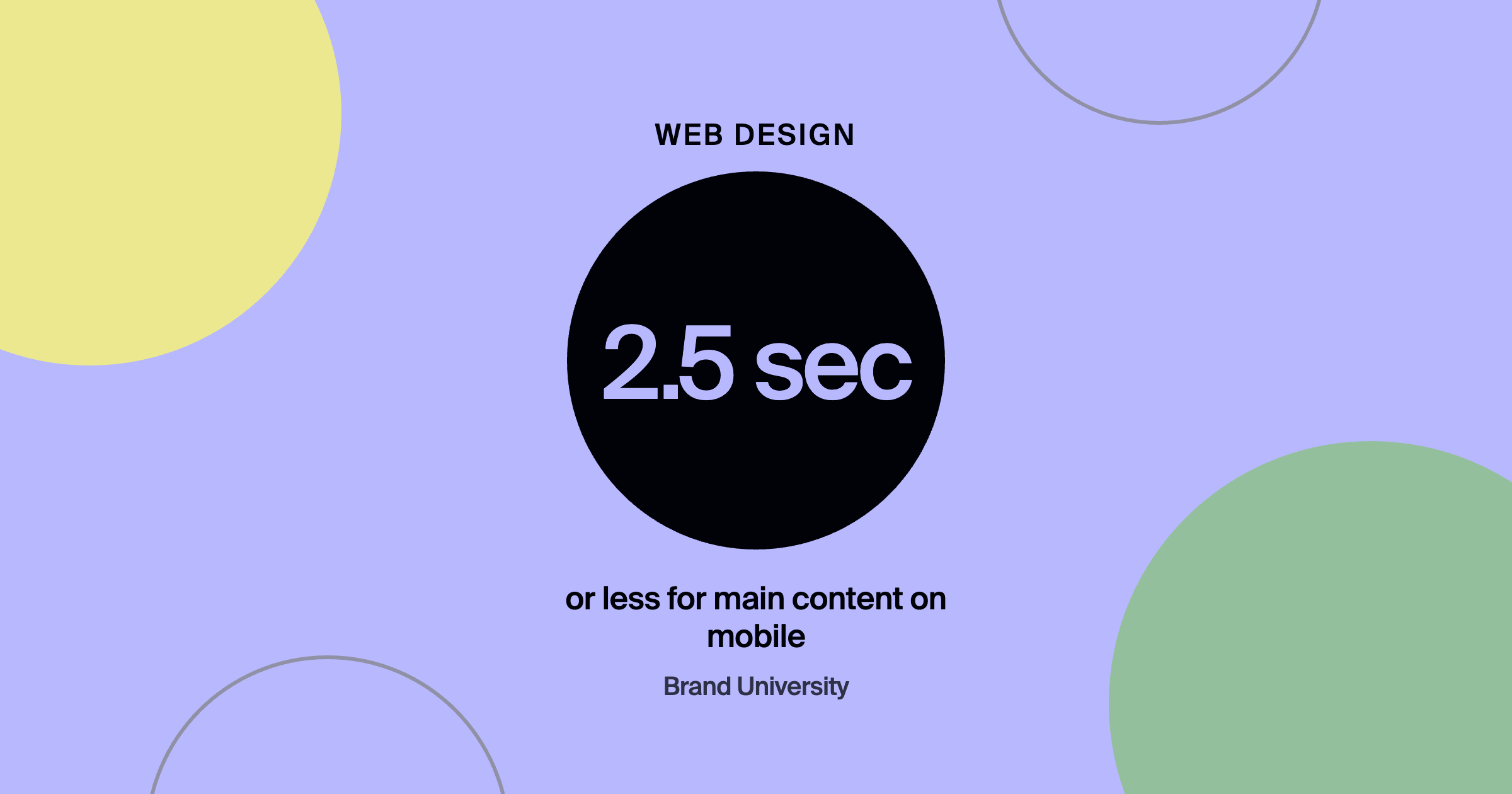
Aim for the main content to appear in about two and a half seconds or less on mobile. Faster is better.
Is Webflow fast?
Webflow sites are generally fast out of the box thanks to built-in hosting and image optimization, but large images, heavy animations, and third-party scripts can still slow them down.
Do third-party scripts slow websites down?
Yes. Chat widgets, trackers, and embeds each add load time. Audit them regularly and remove anything that isn't earning its place.
Where to go from here
Speed optimization is part of the launch checklist in the 5-Figure Websites track inside Brand University. Pair this with Designing Mobile-First Without Losing the Desktop Experience and Accessibility Isn't Optional, then join Brand University on Skool.
About the author
Warren Coppage is an owner and the Director of Growth at branded by, a brand-first growth agency based in Greenville, South Carolina. He leads advertising and growth for branded by's clients and has managed more than $10 million in ad spend across home service, eCommerce, and other industries. He writes for Brand University about the marketing, web, and sales side of running a design business. Connect with him on LinkedIn or learn alongside him in the Brand University community on Skool.