Landing Pages That Convert Before You Scroll
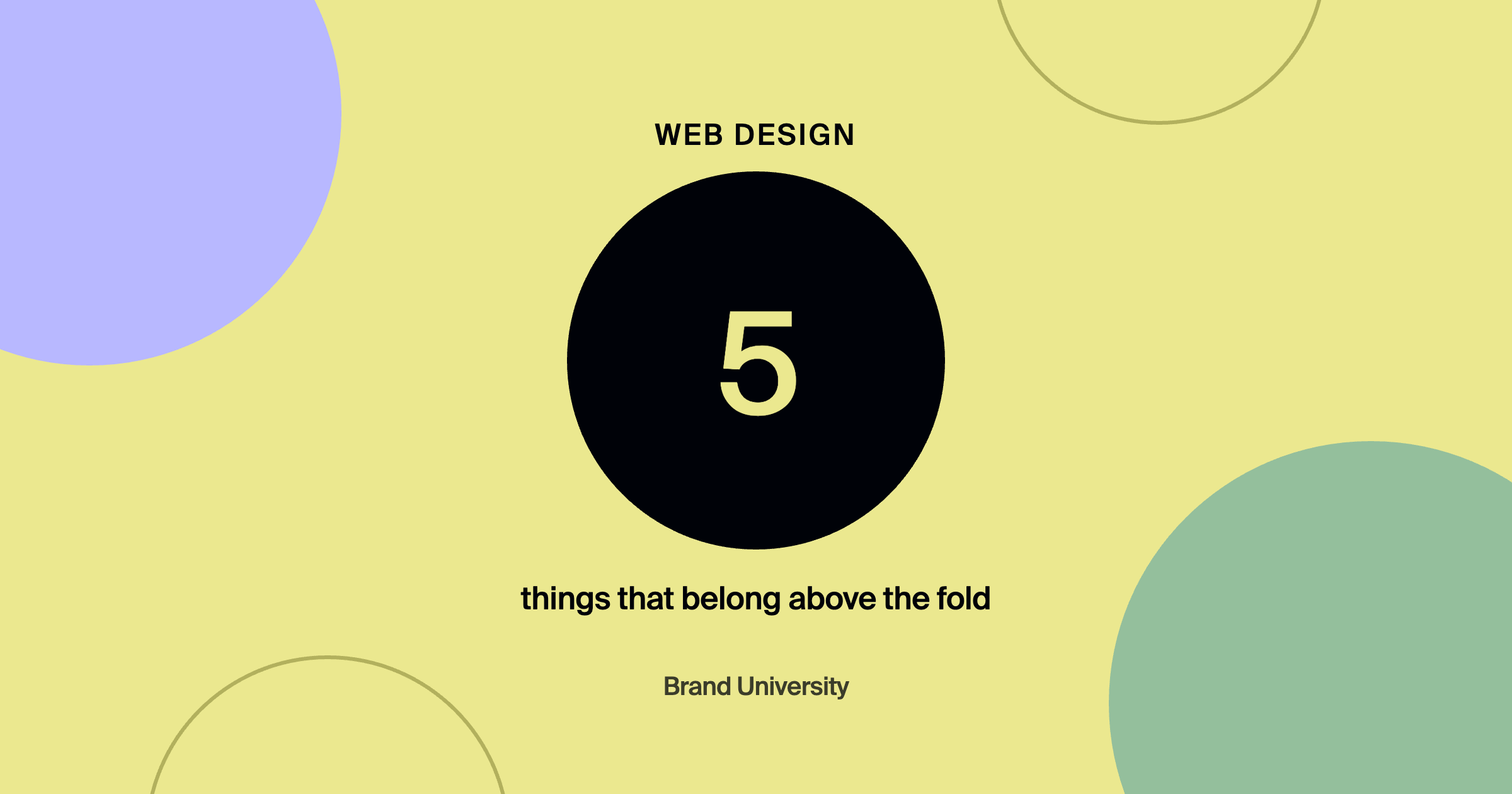


The short answer: the first screen of a landing page has to answer what this is, who it's for, and what to do next, instantly. Use a specific benefit-driven headline, a short supporting line, a visual that shows the product or result, one clear call to action, and a small proof element. Then test that first screen on the devices your audience actually uses.
A large share of landing page visitors decide whether to stay before they scroll. Everything below the fold matters, but none of it gets seen if the first screen doesn't earn the scroll.
Key takeaways
- Answer what, who, and what next without making anyone read a paragraph.
- A clear headline beats a clever one.
- Show the result, don't just describe it.
- One call to action above the fold, written as an action.
- Design the fold for the real devices your traffic uses.
What should be above the fold on a landing page?
Five things: a headline stating the outcome, a subhead clarifying who it's for or how it works, a visual of the product, result, or people, one call to action button, and a proof element like a short testimonial, rating, or recognizable client. Everything else can wait for the scroll.
- An outcome headlineSpecific enough that it could only belong to this offer.
- A clarifying subheadWho it's for or how it works.
- A visual of the resultThe product, the result or the people.
- One call to actionWritten as an action, not Learn more.
- A proof elementA short testimonial, rating or recognizable client.
How do you write a landing page headline that converts?
Make it specific enough that it could only belong to this offer. Compare Transform your business with Get a website that books more estimates, in six weeks. Clever headlines that need context lose visitors who won't wait for that context. Match the headline to the ad or search that brought them there so the page confirms they're in the right place.
Why does a single call to action matter?
Because every extra choice dilutes the one that matters. Two or three competing buttons above the fold split attention and lower the conversion rate of all of them. Use action language, like Book your free audit, instead of Learn more. branded by's landing page wireframes that convert lay out seven proven structures built around this single-action principle.
Clever and vague
- Transform your business
- Learn more
Specific and actionable
- Get a website that books more estimates, in six weeks
- Book your free audit
Do AI search visitors need different landing pages?
Often, yes. Visitors arriving from ChatGPT or AI Overviews tend to be better informed and more skeptical, so they want proof and specifics fast. branded by covers how to build for them in AI search conversion landing pages.
How do you test the fold across devices?
Check analytics for your real device mix, then review the first screen on actual phones and laptops, not just a design tool preview. On mobile, the headline, subhead, and button often need to fit before the image, not after it. Run the five-second test on each version.
Frequently asked questions
Should a landing page have navigation?
For paid traffic, usually not. Removing the main menu keeps visitors focused on the one action the page exists for.
How long should a landing page be?
As long as the decision requires. Simple, low-cost offers can be short. Higher-priced services need more proof and objection handling below the fold.
What's a good landing page conversion rate?
It varies widely by industry and traffic source. Focus on improving your own baseline through testing rather than chasing a universal benchmark.
Where to go from here
Landing page structure is covered in the 5-Figure Websites track inside Brand University. Pair this with Structuring a Website Around One Action, Not Ten and Forms Are a Conversion Feature, Not an Afterthought, then join Brand University on Skool to get your page reviewed.
About the author
Warren Coppage is an owner and the Director of Growth at branded by, a brand-first growth agency based in Greenville, South Carolina. He leads advertising and growth for branded by's clients and has managed more than $10 million in ad spend across home service, eCommerce, and other industries. He writes for Brand University about the marketing, web, and sales side of running a design business. Connect with him on LinkedIn or learn alongside him in the Brand University community on Skool.